
OECS Environmental Sustainability Division (ESD)
OECS Environmental Sustainability Division (ESD)
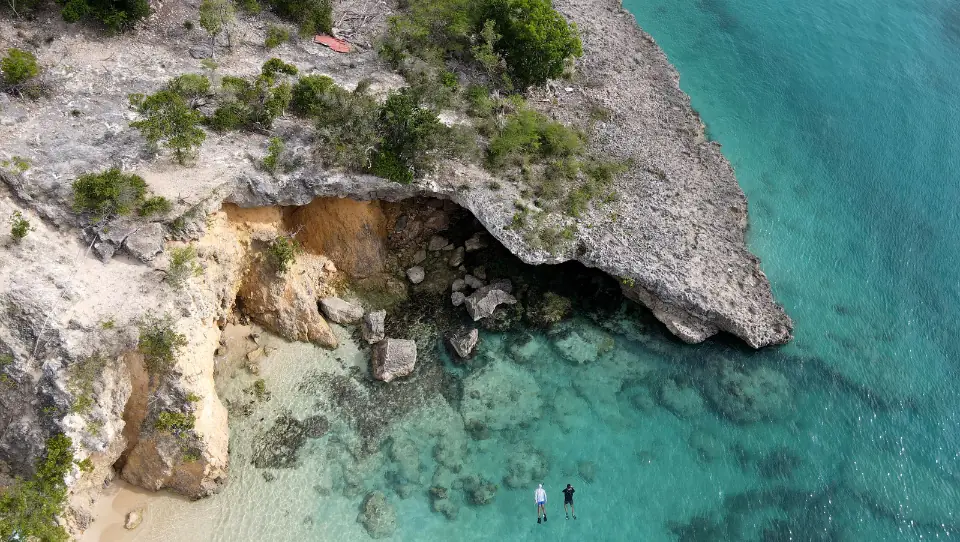
The OECS is committed to environmental sustainability in each Member State, which is essential to social equity and maintaining economic viability in the region. The OECS Environmental Sustainability Division (ESD) has four main programmatic areas – Biodiversity Ecosystems and Ecosystem Services (BEES), Sustainable Ocean Management (SOM), Sustainable Energy (SE), and Climate and Disaster Resilience (CDR).
The Environmental Sustainability Division is committed to implementing the strategic actions contained in the Revised St George’s Declaration of Principles for Environmental Sustainability in the OECS (hereinafter called SGD 2040), recognizing that fulfilment of this commitment to achieving the vision and goals of SGD 2040 requires decisive action locally, nationally, regionally and globally.
The OECS is committed to environmental sustainability in each Member State, which is essential to social equity and maintaining economic viability in the region. The OECS Environmental Sustainability Division (ESD) has four main programmatic areas – Biodiversity Ecosystems and Ecosystem Services (BEES), Sustainable Ocean Management (SOM), Sustainable Energy (SE), and Climate and Disaster Resilience (CDR).
The Environmental Sustainability Division is committed to implementing the strategic actions contained in the Revised St George’s Declaration of Principles for Environmental Sustainability in the OECS (hereinafter called SGD 2040), recognizing that fulfilment of this commitment to achieving the vision and goals of SGD 2040 requires decisive action locally, nationally, regionally and globally.
Objectives
The Environmental Sustainability Division’s work programme is based on the following strategic priorities of the OECS:

To Support the Transformation of our Economies to become Globally Competitive
To Enhance our capacity to leverage Natural Systems for Socio-Economic Development
To Enhance our ability to plan, manage, mitigate and respond to disaster and Outbreak
Units of OECS Environmental Sustainability Division
1 - Biodiversity Ecosystems and Ecosystem Services (BEES)

The OECS, through the Biodiversity Ecosystems and Ecosystem Programme, is mobilising efforts towards the conservation of ecosystems and biodiversity in the Eastern Caribbean and pursues these main objectives:
- To conserve or rehabilitate natural resources while meeting the socio-economic, political and cultural needs of current and future generations;
- To ensure the implementation of regional and international agreements (i.e., the Convention on Biological Diversity (CBD), the 2030 Agenda for Sustainable Development and the St. George’s Declaration of Principles for Environmental Sustainability in the OECS; and
- To support the United Nations Sustainable Development Goals, particularly Goal 14, which is "to conserve and sustainably use the oceans, seas and marine resources," and Goal 15 which, is "to protect, restore and promote sustainable use of terrestrial ecosystems, sustainably manage forests, combat desertification and halt and reverse land degradation and halt biodiversity loss."
2 - Sustainable Ocean Management Programme (SOM)
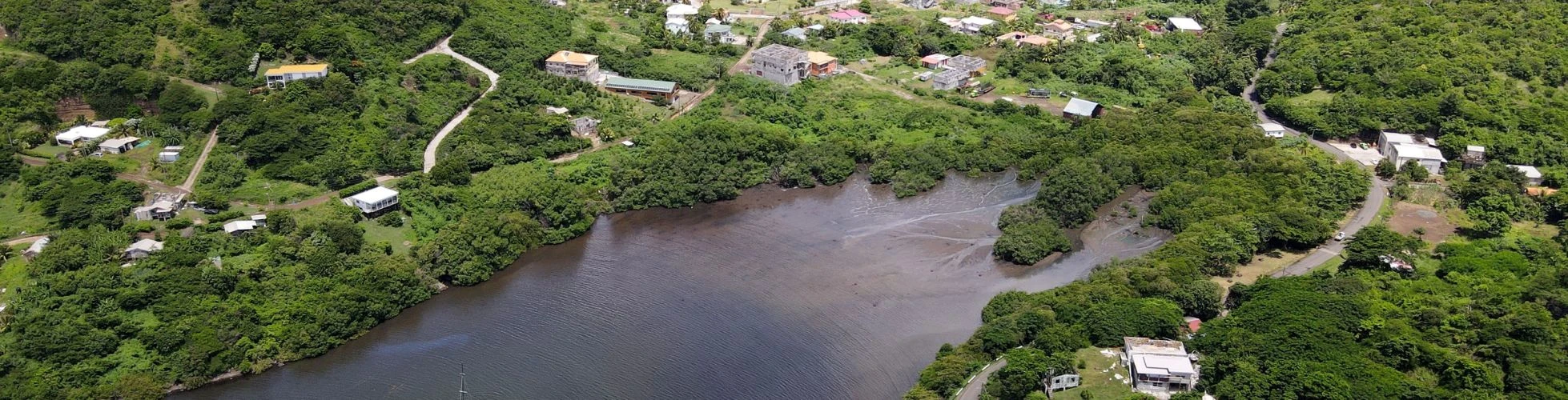
The Sustainable Ocean Management Programme is guided by the Eastern Caribbean Regional Ocean Policy (ECROP) and Strategic Action Plan, which were adopted by the Heads of Government in 2013. The SOM aims to realise eight outcomes that are summarised below.
- Access and rights to utilize marine resources are secured
- OECS Member States are able to monitor, control and respond to human activity within their coastal and maritime area and the region
- Ecosystem integrity of the region is maintained and improved
- Sustainable socio-economic development is achieved
- Coastal and marine spatial planning and integrated management of marine and coastal resources are adopted
- Ocean stewardship, awareness, participation and wellbeing of the citizens of OECS Member States are increased
- Resilience in the region is strengthened to mitigate the effects of climate related hazards and environmental change
- Decision-making across the region is informed by the best available evidence
3 - Sustainable Energy Programme (SE)
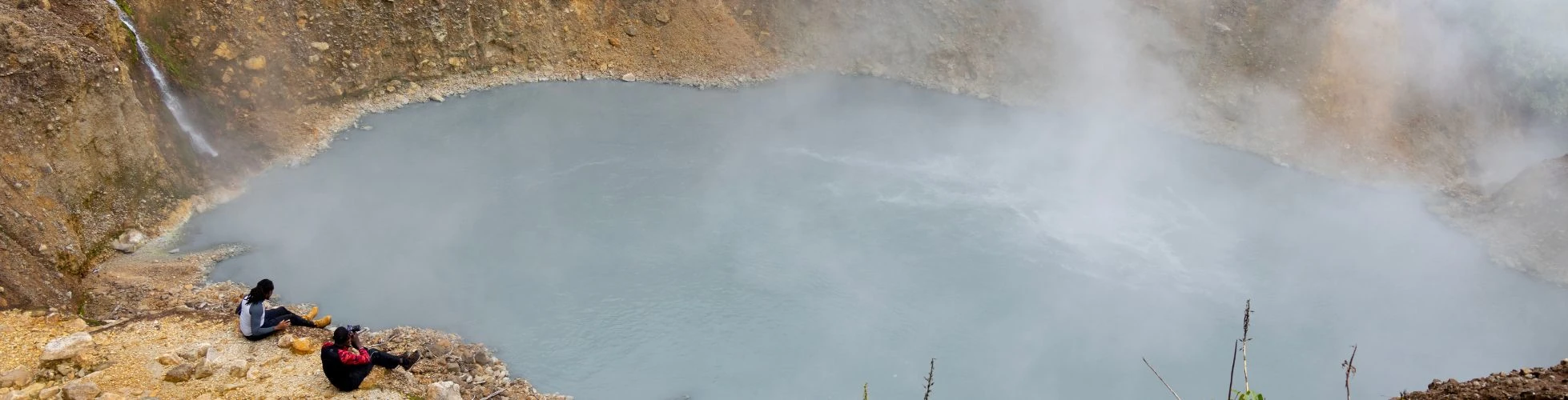
The OECS Sustainable Energy Unit is driving the transition towards renewable energy in the Eastern Caribbean region with these priority objectives:
- To optimise the contribution of renewable and indigenous energy to the energy supply mix,
- To enable universal access to clean and modern energy,
- To pursue energy supply cost optimisation,
- To improve energy management through advanced conservation and end-use efficiency,
- To reduce transmission and distribution losses,
- To promote a clean and efficient transport sector and,
- To empower the public to make informed decisions on energy-related investments and use.
4 - Climate and Disaster Resilience (CDR)
The OECS region is recognized both as a disaster hotspot, given its exposure to a wide range of natural hazards. It is also recognized as a region that is particularly vulnerable to climate change. Further, climate change has been identified as a factor that is contributing to the intensification of extreme weather events, such as storms, floods and droughts, which collectively, pose a constant hazard to the region. The main objectives of the CCDR Programme include:
- To address climate change and disaster risk management in OECS Member States
- To deliver support to Member States at the regional, national and community levels through the implementation of programmes and projects.
- To strengthen policy and legislation; increase capacity-building; enhance awareness and knowledge management; initiate resource mobilization; conduct research and implement climate resilience and adaptation projects in the OECS.
5 - Chemical, Waste and Pollution Programme (CWP)

The OECS and its Member States are committed to the sustainable development of the subregion. However, wastes (solid and liquid) and marine pollution present grave threats to their development agenda and can derail sustainable development in the islands. The CWP seeks to promote and develop the circular economy through the implementation of an integrated approach to waste management. Priority areas under this programme include:
- Promote and facilitate circular economies –regionally and nationally
- Harmonize policy, legislation and roadmaps
- Increase awareness, education and outreach
- Build capacity of Member States to effectively manage waste
- Increase investments in plastics management
- Support and promote green procurement
- Create partnerships and resources for research, development, innovation and technology introduction
- Facilitate public and private sector waste management innovative financing solutions
Leaders of Environmental Sustainability Division (ESD)

Mr. Chamberlain Emmanuel, Head of Environmental Sustainability Division
Mr. Chamberlain Emmanuel assumed the post of Head of the Environmental Sustainability Division (ESD). His portfolio includes oversight of programmes and projects spanning: Climate Change and Disaster Resilience; Biodiversity and Ecosystems; Land and Water Resources; Oceans Governance and Fisheries; Sustainable Energy; and Chemicals, Waste and Pollution Management.
Mr. Chamberlain Emmanuel joined the OECS Commission in February 2010, after transitioning from service to the Government of Saint Lucia starting in February 2001 in capacities as Chief Engineer (A/g), Contracts Manager and Civil/Project Engineer. Mr. Chamberlain Emmanuel has 20 years of practical experience as a Civil Engineer and Project Management Professional.
Mr. Chamberlain Emmanuel holds a BSc (Hons) in Civil Engineering from the University of the West Indies, St. Augustin, a Post-Graduate Diploma in Development and Project Planning from the University Of Bradford, a Project Management Professional (PMP) certification (Project Management Institute - PMI), an MSc in Innovation and Entrepreneurship from H.E.C. Paris, apart from a myriad of professional development courses and seminars in Engineering, Disaster resilience, Procurement, Project Management and Leadership.